All in one SAAS Platform
Home>portfolio>All in one SAAS Platform
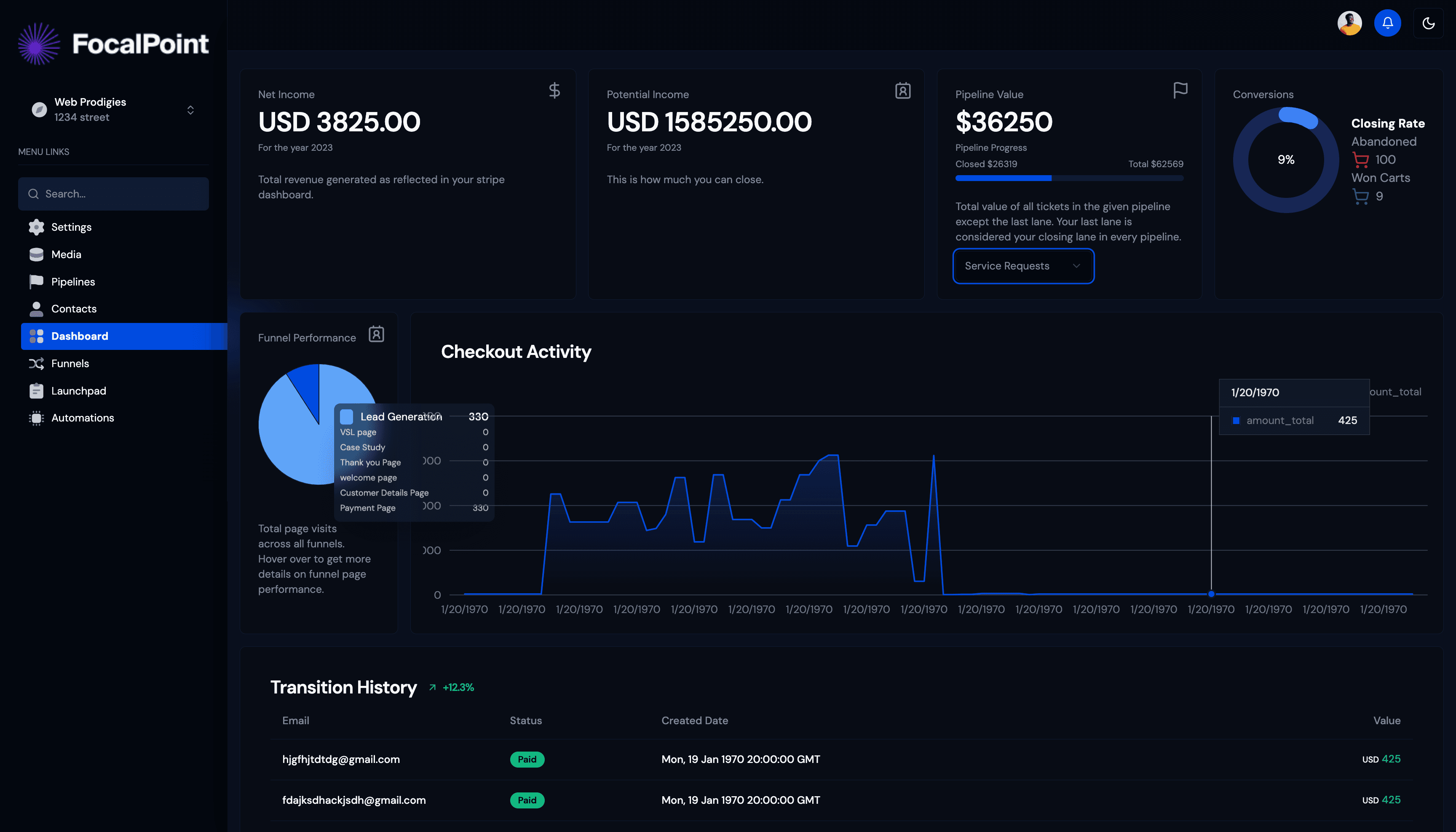
All in one SAAS Platform
The SaaS Manager & Website Builder is a robust web application developed using Next.js, designed to empower users with the tools they need to manage their Software as a Service (SaaS) products and create high-quality websites with ease. This project aims to streamline the process of building, managing, and scaling digital products and online presences for businesses and entrepreneurs.
Web Design.
Artboard Studio.
August 20, 2023.
LewMeta


The Story
In today's digital age, businesses of all sizes face the challenge of establishing a strong online presence while efficiently managing their software products. The SaaS Manager & Website Builder project was born out of the need to simplify these processes. Entrepreneurs and small businesses often struggle with the complexity and cost of building websites and managing SaaS products, which can hinder their growth and scalability.
Recognizing this pain point, our team set out to create an all-in-one solution that not only empowers users to build professional websites but also provides robust tools to manage their SaaS offerings seamlessly. The goal was to remove the technical barriers and offer a platform that anyone, regardless of their technical expertise, could use to build and grow their digital presence effectively.
Our Approach
Our approach to developing the SaaS Manager & Website Builder was rooted in user-centric design and cutting-edge technology. We chose Next.js as the foundation for its versatility, performance, and SEO-friendly capabilities, ensuring that the platform would deliver fast, secure, and scalable experiences for users.
User-Centric Design:
We started by deeply understanding the needs of our target users—entrepreneurs, small business owners, and SaaS product managers. Through extensive research and feedback sessions, we identified key pain points and features that would make a real difference in their day-to-day operations.
Modular Development:
The project was built with modularity in mind, allowing us to develop and integrate features like the drag-and-drop website builder, SaaS management dashboard, and analytics tools independently. This approach enabled rapid development, easy maintenance, and the flexibility to introduce new features as needed.